
Georgian cuisine has been very popular in Poland for years thanks to its distinctive aromas, complex flavour compositions and the use of unique spice blends. Polish consumers, who are increasingly open to culinary experiments, are eager to try dishes that combine depth, freshness and distinct herbal notes. Coriander, garlic, fenugreek, paprika and the characteristic chmeli-suneli dominate here, creating flavours that are both intense and subtly harmonious. This balance means that Georgian cuisine fits in with Polish culinary preferences without compromising its authenticity. The aroma and richness of flavours are therefore the main magnet that attracts people who want to discover new culinary directions.
In addition, it is worth noting that the naturalness of the ingredients and the lack of overly processed elements correspond to the growing need for conscious nutrition. Polish people also appreciate the way vegetables are combination with meat, which results in filling but not heavy dishes. Thanks to this, this cuisine is gaining fans not only among lovers of intense flavours, but also among those looking for healthy and balanced meals.
Tradition and authenticity attract conscious consumers
The popularity of Caucasian dishes also stems from their strong roots in tradition. Georgian recipes are passed down from generation to generation, often retaining their original preparation methods. In an era of fast food and ready-made products, consumers are increasingly looking for dishes with a history, and this cuisine perfectly meets those needs. Authentic processing methods, hand-formed baked goods and long-cooked stews create a culinary experience that cannot be replicated. As a result, Georgian cuisine is gaining popularity in Poland among those who appreciate a craft approach to cooking and high-quality products.
Accessible ingredients and understandable compositions
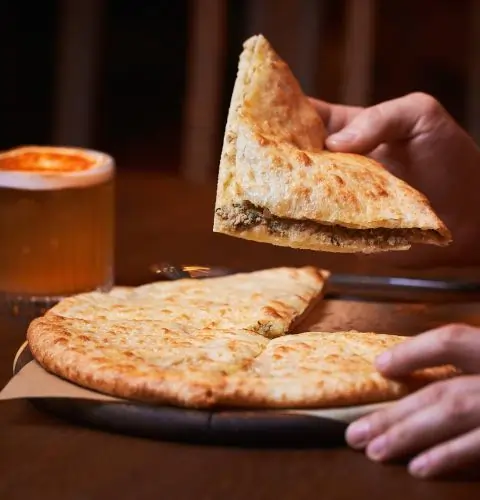
Another factor that facilitates the adaptation of Georgian dishes is their accessibility. Many dishes are based on ingredients well known to Polish consumers: poultry, beef, fresh vegetables, yeast dough, aromatic herbs and natural sauces. As a result, Georgian cuisine does not seem exotic in the sense of being difficult or ‘distant’, but offers new taste experiences based on familiar and popular ingredients. At the same time, characteristic preparation techniques – such as baking khachapuri or forming khinkali – add uniqueness to the dishes.

The impact of tourism and cultural curiosity
The growing interest in Georgia as a tourist destination also contributes to the development of its cuisine in Poland. Visitors to this country return delighted not only with its nature, but also with its hospitality and feasting traditions. It is therefore natural to seek out familiar flavours upon returning home. This is why Georgian cuisine is gaining in popularity in Polish restaurants. They respond to the need to recreate memories of travel and allow guests to experience the unique atmosphere of the Georgian table once again.
Feasting and eating together as part of culture
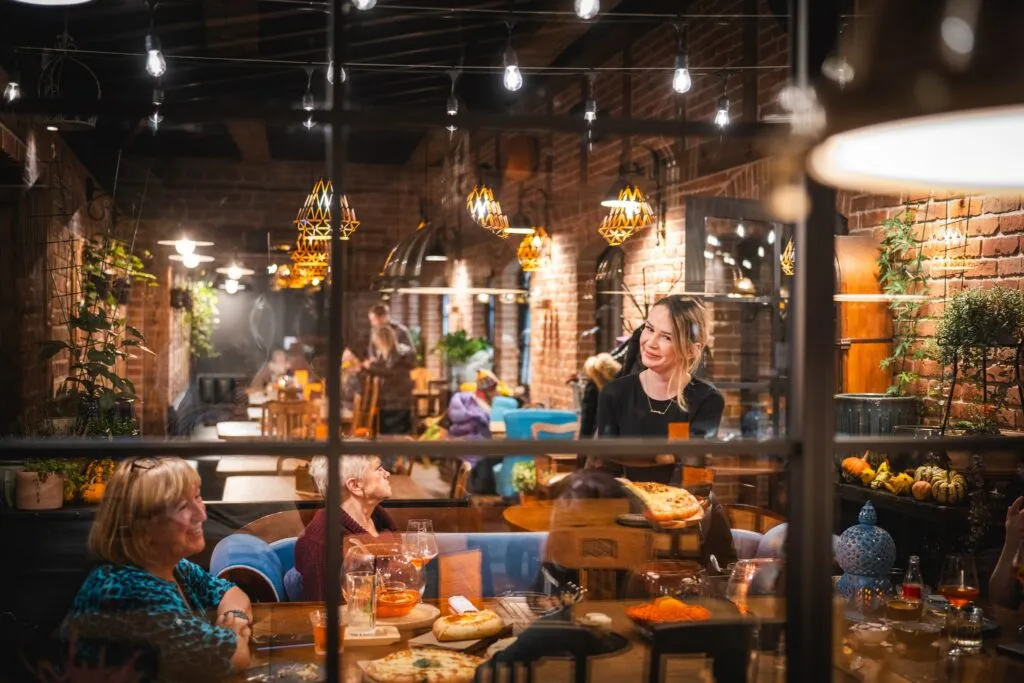
A distinctive feature of Georgian cuisine is the way dishes are served, which encourages communal eating and sharing. Dishes are often served in large portions, allowing participants to taste different flavours and discover new dishes during the meal. This approach fits in perfectly with the Polish culture of feasting, where a meal is a time for socialising and long conversations. Tasting khinkali together, sharing pieces of khachapuri or tasting aromatic goulash fits perfectly with the way Poles celebrate time spent at the table.
A variety of dishes – from baked goods to stews
One of the reasons for the ever-growing popularity of Georgian cuisine in Poland is its diversity. Georgian cuisine offers a wide selection of dishes: aromatic stews such as chakhokhbiti, iconic khinkali dumplings with meat and broth, and filling pastries such as Adjarian khachapuri with egg or kubdari with meat filling. The dishes are diverse in terms of both ingredients and structure, which makes them appeal to a wide audience. Some dishes are light and vegetable-based, others are meat-based, and still others are a combination of both types of dishes. Thanks to this, everyone can find something for themselves in this culinary tradition.
High standard of restaurants serving Georgian cuisine
Polish gastronomy is paying increasing attention to the authenticity of dishes. Restaurants that decide to serve Georgian cuisine pay attention to the quality of ingredients, the way dishes are served and compliance with original recipes. This translates into growing customer confidence and a desire to return. Thanks to the greater availability of spices, cheeses and specialised products, restaurants can prepare dishes in a manner faithful to Georgian tradition. Consumers, on the other hand, can be sure that when they order a dish from the Caucasus, they will receive a meal prepared with care and respect for unique techniques.
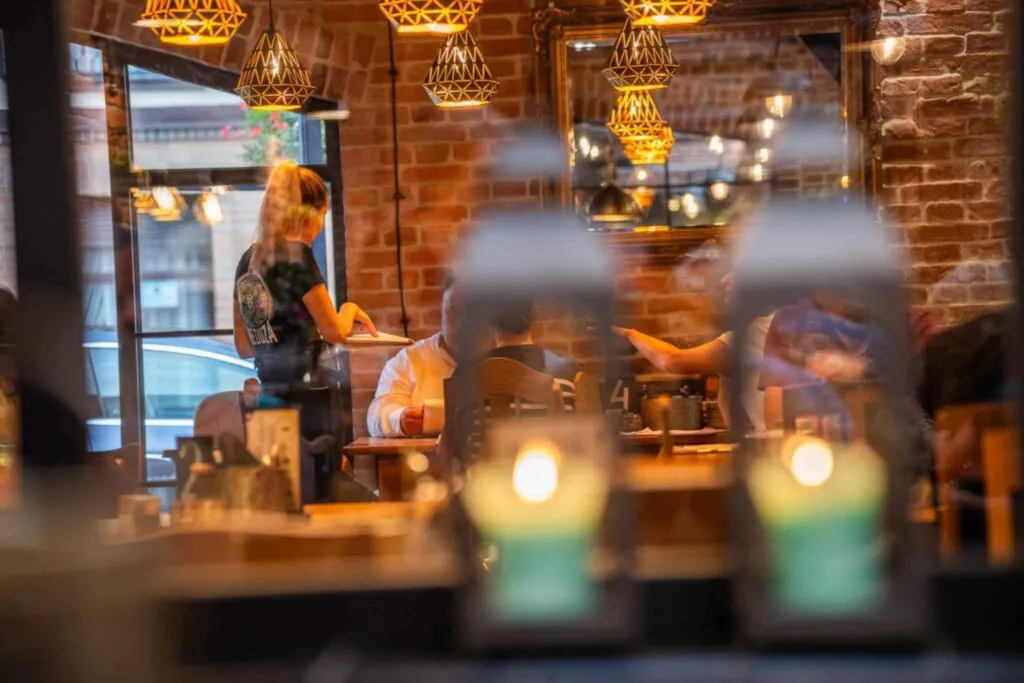
Georgian cuisine in Ustka – authentic flavours with a seaside twist
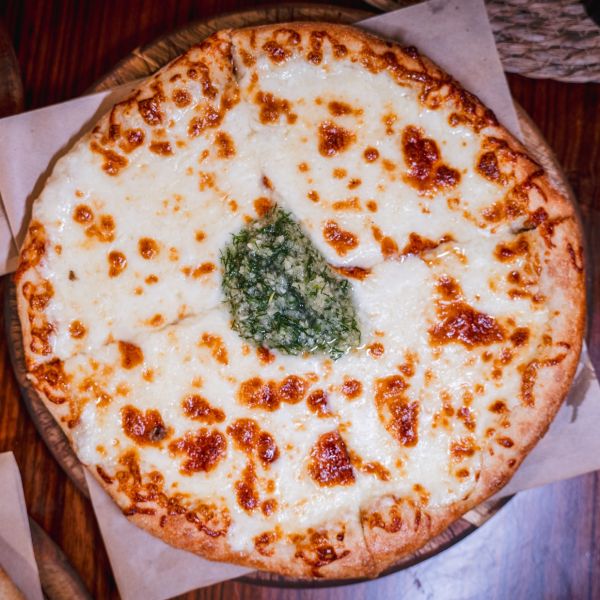
You can also try dishes inspired by the traditions of this region in Ustka. The Meduza Ustka restaurant serves dishes that perfectly reflect the character of Georgian cuisine – from aromatic chachabuli, through juicy khinkali, to ‘kebabi on a stick’ with vegetables and distinctive sauces. The menu also includes well-known baked goods, such as Georgian pizza with sulguni cheese, Adjarian khachapuri with egg, and kubdari with meat filling and spices characteristic of the Caucasus. This is an excellent option for those who want to experience the authentic flavours of Georgia without leaving the seaside town, and a great way to add a touch of southern flair to your holiday meals. They are also distinguished by the care taken to ensure the quality of the ingredients, which allows the full flavours typical of this cuisine to be brought out. The combination of the seaside atmosphere and the intensity of Georgian aromas creates a culinary experience that is memorable and encourages you to return.